





San Diego's mild Mediterranean climate fools many homeowners into thinking their HVAC system has an easy job. The reality is more complex. Coastal neighborhoods like La Jolla and Pacific Beach deal with salt air that corrodes condenser coils and electrical connections faster than inland areas. This corrosion creates refrigerant leaks and compressor failures that appear suddenly.
Inland communities like Poway and Rancho Bernardo face different challenges. Summer temperatures regularly exceed 95 degrees, forcing air conditioners to run 12 hours per day during heat waves. This constant operation wears out capacitors, contactors, and fan motors. The temperature swing between day and night also stresses ductwork, creating air leaks that waste energy.
San Diego County building codes require specific SEER ratings for new installations and replacements. Title 24 compliance means your system must meet California's strict energy efficiency standards. Many older homes in neighborhoods like North Park and Normal Heights have undersized ductwork that was never designed for modern high-efficiency systems. This creates pressure imbalances that reduce comfort and increase utility bills.
The marine layer also impacts indoor air quality. Moisture combines with dust to create mold growth inside air handlers and ductwork. Homes near Mission Bay and Point Loma need more frequent filter changes and coil cleaning to prevent biological growth.
Elite HVAC San Diego built our reputation on one simple promise: we show up fast and fix it right the first time. We maintain a fleet of fully stocked service vehicles across San Diego County so our technicians reach you within 60 minutes for emergencies. Each truck carries the most common failure parts for residential systems, including capacitors, contactors, thermostats, and refrigerant.
Our technicians receive continuous training on the specific challenges San Diego homes face. We understand how salt air damages coastal systems differently than desert heat affects inland equipment. This knowledge means faster diagnosis and accurate repairs. We do not sell you a new system when a $200 part fixes the problem. Our pricing is straightforward, with costs explained before any work begins.
We serve the entire San Diego metro, from coastal communities to inland valleys. Our response time commitment applies whether you live in Del Mar or Santee. We staff technicians seven days per week because air conditioners fail on weekends and holidays just as often as weekdays.
Every repair includes a 90-day warranty on parts and labor. We test your entire system after completing repairs to verify proper operation and catch potential issues before they become emergencies. Our maintenance plans keep systems running efficiently and prevent breakdowns during the hottest months when you need cooling most.
Elite HVAC San Diego holds all required California licenses and insurance. We pull permits for any work that requires inspection and ensure your system meets current Title 24 energy codes. Our goal is not just to fix your immediate problem but to keep your system reliable for years.

We dispatch technicians within 60 minutes for emergency calls across San Diego County. Our service vehicles are fully stocked with common replacement parts so we complete most repairs on the first visit. No waiting days for parts to arrive while your family suffers in the heat.

You receive a detailed written estimate before any work begins. We explain what failed, why it failed, and what the repair involves. No surprise charges appear on your invoice. Our diagnostic fee applies toward the repair cost when you approve the work.
Elite HVAC San Diego maintains all required California contractor licenses and carries full liability insurance. We pull permits for installations and major repairs that require inspection. Your warranty remains valid and your home stays code compliant when we perform the work.
Our technicians understand the specific challenges San Diego systems face. We know how salt air corrodes coastal equipment and how inland heat stresses components. This local expertise means faster diagnosis and repairs that address the root cause, not just symptoms.
Elite HVAC San Diego handles every aspect of residential heating and cooling, from emergency repairs to complete system replacements. We service all major brands including Carrier, Trane, Lennox, Rheem, and American Standard. Our technicians diagnose problems accurately and explain your options in plain language without sales pressure.
Central air conditioning repair addresses immediate failures that leave your home uncomfortable. We fix refrigerant leaks, replace failed compressors, repair electrical issues, and restore proper airflow. Preventive maintenance catches small problems before they become expensive emergencies. Regular service extends equipment life and maintains efficiency.
System replacements become necessary when repair costs exceed the value of keeping an old unit running. We help you select the right size and efficiency level for your home and budget. New installations must meet California Title 24 energy codes, which means proper sizing calculations, duct testing, and refrigerant charge verification. We handle the entire process including permits and inspections.
Indoor air quality services address mold, dust, and allergens that accumulate in ductwork and air handlers. San Diego's marine layer creates moisture problems in coastal homes. We install UV lights, electronic air cleaners, and whole-home dehumidifiers that improve air quality and protect your respiratory health.
Your air conditioner failed and your home is heating up. Elite HVAC San Diego provides same-day emergency repair service seven days per week. We diagnose the failure, explain what needs fixing, and complete most repairs during the first visit. Common issues include failed capacitors, refrigerant leaks, compressor problems, and electrical failures. Our trucks carry the parts needed to fix these problems immediately. You get your cooling restored fast without waiting days for parts orders.
Old systems eventually cost more to repair than replace. Elite HVAC San Diego performs complete system replacements that meet California Title 24 energy standards. We calculate the correct equipment size for your home using Manual J load calculations. Proper sizing prevents short cycling and humidity problems. We pull all required permits and schedule inspections. Your new system comes with manufacturer warranties and our installation guarantee. Most replacements complete in one day with minimal disruption to your routine.
Regular maintenance catches small problems before they become expensive failures. Our tune-up service includes cleaning condenser coils, checking refrigerant charge, testing electrical components, lubricating motors, and inspecting ductwork for leaks. San Diego's coastal salt air requires more frequent coil cleaning to prevent corrosion. Inland systems need capacitor testing before summer heat waves. Maintenance customers receive priority scheduling and discounts on repairs. Well-maintained systems last 5 to 7 years longer than neglected equipment.
San Diego homes experience predictable HVAC failures based on location and climate. Coastal properties battle corrosion from salt air while inland homes deal with heat stress and dust infiltration. Understanding these patterns helps you recognize warning signs before complete system failure.
Age plays a major role in reliability. Systems older than 12 years start experiencing multiple component failures. A compressor replacement on a 15-year-old unit does not make financial sense when the air handler, ductwork, and other components will fail soon. We help you make informed decisions about repair versus replacement based on your system's condition and remaining life.
Poor installation causes many problems we encounter. Undersized ductwork creates high static pressure that strains blower motors. Incorrect refrigerant charge reduces efficiency and shortens compressor life. We find these installation defects during diagnosis and explain how they contribute to your current problem. Sometimes the only permanent solution involves correcting the original installation error.
San Diego's building codes have changed significantly over the past 20 years. Older systems do not meet current efficiency standards or safety requirements. When replacement becomes necessary, your new system must comply with Title 24 regulations including minimum SEER ratings, duct testing, and airflow verification.
Your air conditioner runs constantly but never reaches the thermostat setting. This indicates low refrigerant charge from a leak, failed compressor, dirty condenser coil, or undersized equipment. San Diego's temperature swings stress refrigerant lines and create leak points. We perform pressure tests to locate leaks, then repair and recharge the system properly.
Short cycling indicates a failing component forcing the system into safety shutdown. Failed capacitors, dirty filters, frozen evaporator coils, or electrical problems cause this symptom. Short cycling wastes energy and prevents proper dehumidification. The constant starting and stopping also damages the compressor. We identify the failed component and restore normal operation.
Grinding, squealing, or banging sounds signal mechanical failure. Fan motor bearings wear out and create grinding noises. Loose parts vibrate and bang. Compressors make loud noises before complete failure. These sounds are warnings that demand immediate attention. Continued operation can destroy the compressor and turn a $300 repair into a $2,500 replacement.
Air conditioners remove humidity as part of the cooling process. Excess indoor humidity means your system is not running long enough or the evaporator coil is not cold enough to condense moisture. This creates comfort problems and mold growth. Causes include oversized equipment, low refrigerant charge, or dirty coils. Proper diagnosis identifies why dehumidification is failing.
We answer your call immediately and gather basic information about your problem. Our dispatcher schedules a technician arrival window, usually within 60 minutes for emergencies. You receive a text message with your technician's name, photo, and estimated arrival time.
The technician arrives in a clearly marked vehicle with your appointment details already loaded. We perform a complete system diagnostic to identify the failed component and any contributing factors. This takes 20 to 45 minutes depending on system complexity. We explain what failed, why it failed, and what repair options you have.
You receive a written estimate before any repair work begins. The estimate includes parts, labor, and our warranty terms. We never start work without your explicit approval. Most repairs complete within 2 hours once you approve the estimate. We test the entire system after completing repairs to verify proper operation and catch any other developing issues.
Payment is due when service is complete. We accept all major credit cards, checks, and cash. You receive a detailed invoice explaining what we repaired and what warranty applies. We also provide recommendations for preventing future problems and answer any questions about system operation or maintenance.
Our technicians diagnose your system accurately and explain the problem in plain language. We show you the failed component when possible and explain what caused the failure. You receive repair options with honest recommendations about whether repair makes sense based on your system's age and condition. We do not pressure you into unnecessary replacements. Many problems need only a simple repair.
You know when we are arriving, what we are doing, and how much it costs before any work begins. Our technicians explain technical issues in terms anyone can understand. We answer your questions directly without confusing jargon. If additional problems appear during the repair, we stop and discuss your options before proceeding. You remain in control of all decisions about your system.
Every repair includes a 90-day warranty covering parts and labor. We stand behind our work completely. If the same problem reoccurs within the warranty period, we return and fix it at no charge. Manufacturer warranties on parts extend beyond our labor warranty, providing long-term protection. We document all work in detail so you have complete service records for your system.
Elite HVAC San Diego follows a proven diagnostic and repair process that identifies problems accurately and fixes them permanently. This systematic approach prevents misdiagnosis and ensures quality results.
We test all major components including compressor amp draw, refrigerant pressures, airflow measurements, electrical voltages, and capacitor function. This comprehensive diagnostic identifies the failed component and any contributing factors like dirty coils or duct leaks. We use digital manifolds and meters to gather accurate data. The diagnostic reveals exactly what needs repair and prevents guesswork that wastes your money on wrong parts.
Once you approve the estimate, we complete the repair using quality replacement parts and proper techniques. Refrigerant work includes evacuation, leak testing, and precise charging by weight or subcooling method. Electrical repairs use proper wire sizing and connections. We follow manufacturer specifications and industry best practices. Most repairs complete during the first visit because our trucks carry common parts. Complex repairs might require ordering specialized components.
After completing the repair, we test your entire system to verify proper operation. We measure temperature split across the evaporator coil, check refrigerant pressures, test safety controls, and verify correct electrical operation. This final testing catches any other developing problems before they cause another breakdown. You receive documentation of all work performed and recommendations for maintaining your system. We answer your questions and ensure you understand how to operate your system efficiently.
Professional HVAC service requires adherence to strict technical standards and regulations. California Title 24 establishes minimum efficiency requirements for new installations and major equipment replacements. These regulations exist to reduce energy consumption and lower utility costs for homeowners. Any system installed after 2020 must meet or exceed 14 SEER for air conditioners and 8.2 HSPF for heat pumps.
Refrigerant handling follows EPA Section 608 regulations that require proper recovery, evacuation, and charging procedures. Technicians must hold EPA certification to purchase and handle refrigerants. We use recovery machines to capture old refrigerant before repairs, preventing atmospheric release. New refrigerant charge is measured precisely using manufacturer specifications, either by weight for factory charge amounts or by superheat and subcooling measurements for field charging.
Electrical work must comply with National Electrical Code standards adopted by California. This includes proper wire sizing based on ampacity charts, correct overcurrent protection, and grounding requirements. Disconnect switches must be located within sight of the equipment and rated for the full load current. We verify voltage and amperage during diagnostics to identify electrical problems before they damage components.
Ductwork testing has become mandatory under Title 24 for new installations and replacements. Duct leakage must not exceed 15 percent of system airflow. We perform blower door tests and duct leakage tests to verify compliance. Poorly sealed ductwork wastes 20 to 30 percent of conditioned air, increasing utility bills significantly. Proper duct sealing uses mastic and foil tape, never standard cloth duct tape which degrades quickly.
Equipment sizing requires Manual J load calculations that account for home square footage, insulation levels, window area, orientation, and occupancy. Oversized equipment short cycles and fails to dehumidify properly. Undersized equipment runs constantly and never achieves comfortable temperatures. We perform these calculations for every replacement to ensure proper sizing.
Repair costs depend on failed component, refrigerant type, system accessibility, and labor time required. Compressor replacement costs more than capacitor replacement. R-410A refrigerant costs less than older R-22. Rooftop units require additional labor for access. Parts availability affects timing and cost. We provide detailed estimates before starting work so you understand exactly what you are paying for.
Most repairs complete in 2 to 4 hours including diagnosis. Simple component replacements like capacitors or contactors take under an hour. Refrigerant leak repairs require additional time for leak detection, repair, evacuation, and recharge. Complete system replacements typically take 6 to 8 hours for straightforward installations. Complex installations requiring ductwork modifications or electrical upgrades may require two days.
California requires C-20 HVAC contractor license for heating and cooling work. Technicians must hold EPA Section 608 certification for refrigerant handling. Contractors must carry liability insurance and workers compensation coverage. Permits are required for system replacements and major repairs. These regulations protect homeowners from unqualified work that creates safety hazards or code violations.
Professional HVAC technician explains common air conditioning failures in San Diego homes and the emergency repair process. Covers diagnostic procedures, typical problems including refrigerant leaks and failed capacitors, and what homeowners should expect during service calls. Includes information about coastal corrosion challenges, inland heat stress, and Title 24 compliance requirements for San Diego County. Demonstrates how Elite HVAC San Diego provides same-day repair service with upfront pricing and proper technical standards.
Elite HVAC San Diego provides emergency repair and installation services throughout San Diego County. Our central dispatch coordinates technicians across the metro area to ensure rapid response regardless of your location. We maintain service vehicles in multiple zones so we reach you quickly when your system fails.
Coastal neighborhoods like La Jolla, Pacific Beach, and Ocean Beach face unique challenges from salt air exposure. The marine environment corrodes condenser coils and electrical connections faster than inland areas. We recommend more frequent coil cleaning and preventive maintenance for homes within two miles of the ocean. Coastal properties also deal with higher humidity that promotes mold growth in ductwork and air handlers.
Inland communities including Poway, Rancho Bernardo, and Scripps Ranch experience more extreme temperature swings. Summer heat waves push air conditioners to their limits with temperatures exceeding 95 degrees. These conditions stress electrical components like capacitors and contactors. We stock these common failure parts on every truck to complete repairs quickly during peak cooling season.
Central San Diego neighborhoods such as North Park, Normal Heights, and Hillcrest contain many older homes with outdated HVAC systems. These properties often have undersized ductwork, insufficient insulation, and single-pane windows that increase cooling loads. We help homeowners evaluate whether repair or replacement makes more financial sense based on system age and efficiency.
South Bay communities including Chula Vista, National City, and Imperial Beach benefit from moderate coastal temperatures but still need reliable air conditioning during summer months. These areas combine coastal moisture with warmer inland temperatures, creating conditions that promote biological growth in HVAC systems. Regular maintenance prevents indoor air quality problems.
East County areas like El Cajon, Santee, and La Mesa face the most extreme heat in San Diego County. Summer temperatures routinely exceed 100 degrees, forcing air conditioners into continuous operation. This constant use wears out components faster and increases the likelihood of breakdowns during heat waves when you need cooling most. We prioritize emergency calls from these areas during extreme weather events.
We understand each area's specific challenges and stock our service vehicles accordingly. Coastal trucks carry more coil cleaning supplies and corrosion-resistant parts. Inland trucks stock extra capacitors, contactors, and electrical components that fail under heat stress. This strategic preparation allows us to fix your problem on the first visit regardless of your location in San Diego County.
HVAC costs in San Diego vary by system type and home size. A basic central AC replacement runs $4,000 to $7,000. Full furnace and AC system replacements range $8,000 to $15,000. Ductless mini-splits cost $3,000 to $5,000 per zone. San Diego's mild winters mean many homes skip furnaces entirely, opting for heat pumps or AC-only systems, which reduces upfront costs. Factors affecting price include existing ductwork condition, SEER rating, brand, and installation complexity. Coastal homes near Mission Beach or La Jolla may need corrosion-resistant components due to salt air exposure.
The $5,000 rule helps you decide between AC repair or replacement. If your repair cost multiplied by your system's age exceeds $5,000, replacement makes more financial sense. For example, a $400 repair on a 15-year-old unit equals $6,000, so replace it. A $300 repair on an 8-year-old system equals $2,400, so repair it. This calculation factors in diminishing efficiency and rising repair frequency as units age. San Diego's year-round cooling demands mean older systems work harder than in seasonal climates, making this rule particularly relevant for local homeowners.
Installing AC in a 2,000 square foot San Diego home typically costs $6,000 to $12,000. This includes a 3 to 4-ton central air system with new ductwork if needed. Existing ductwork drops costs considerably. San Diego's temperate climate allows standard 14-16 SEER units to perform well without premium high-efficiency models required in desert regions. Homes in inland areas like Santee or El Cajon need slightly larger capacity due to hotter summers than coastal zones. Costs increase for two-story homes, older properties requiring electrical upgrades, or homes with attic accessibility challenges.
HVAC costs in San Diego vary by system type and home size. A basic central AC replacement runs $4,000 to $7,000. Full furnace and AC system replacements range $8,000 to $15,000. Ductless mini-splits cost $3,000 to $5,000 per zone. San Diego's mild winters mean many homes skip furnaces entirely, opting for heat pumps or AC-only systems, which reduces upfront costs. Factors affecting price include existing ductwork condition, SEER rating, brand, and installation complexity. Coastal homes near Mission Beach or La Jolla may need corrosion-resistant components due to salt air exposure.
The $5,000 rule helps you decide between AC repair or replacement. If your repair cost multiplied by your system's age exceeds $5,000, replacement makes more financial sense. For example, a $400 repair on a 15-year-old unit equals $6,000, so replace it. A $300 repair on an 8-year-old system equals $2,400, so repair it. This calculation factors in diminishing efficiency and rising repair frequency as units age. San Diego's year-round cooling demands mean older systems work harder than in seasonal climates, making this rule particularly relevant for local homeowners.
Installing AC in a 2,000 square foot San Diego home typically costs $6,000 to $12,000. This includes a 3 to 4-ton central air system with new ductwork if needed. Existing ductwork drops costs considerably. San Diego's temperate climate allows standard 14-16 SEER units to perform well without premium high-efficiency models required in desert regions. Homes in inland areas like Santee or El Cajon need slightly larger capacity due to hotter summers than coastal zones. Costs increase for two-story homes, older properties requiring electrical upgrades, or homes with attic accessibility challenges.
HVAC technicians in San Diego earn $45,000 to $85,000 annually depending on experience and certifications. Entry-level installers start around $18 to $22 per hour. Experienced journeymen with EPA certification and specialty skills like commercial refrigeration earn $30 to $40 per hour. Lead technicians and service managers clear $90,000-plus annually. San Diego's higher cost of living pushes wages above national averages. Strong demand exists year-round due to consistent cooling needs. Union positions through local IBEW chapters offer premium wages and benefits. Commercial HVAC specialists serving downtown office buildings typically earn more than residential-focused techs.
HVAC for a 1,200 square foot San Diego home costs $4,500 to $8,500 for a complete system. This typically requires a 2 to 2.5-ton AC unit. Many smaller San Diego homes, particularly in older neighborhoods like Normal Heights or North Park, lack central air and use window units or ductless mini-splits instead. A ductless system for this size home runs $4,000 to $6,000 for two zones. If you need new ductwork installed, add $2,000 to $4,000. Coastal homes benefit from ocean breezes, sometimes downsizing equipment needs compared to inland properties.
The 3-minute rule prevents compressor damage by requiring a 3-minute wait between AC cycles. When your thermostat calls for cooling, the compressor needs time to equalize refrigerant pressure before restarting. Rapid cycling causes mechanical stress and electrical surges that shorten equipment life. Modern thermostats have built-in delay timers. You should never manually override this safety feature. In San Diego's moderate climate, short-cycling often indicates oversized equipment, refrigerant leaks, or dirty filters rather than extreme heat stress. If your system cycles faster than every 10 minutes, call a technician to diagnose the underlying issue.
You can write off a new AC unit if it qualifies as a medical expense or business expense. For residential installations, AC rarely qualifies unless prescribed by a doctor for specific medical conditions like severe asthma. You need documentation proving medical necessity, and it must exceed 7.5% of your adjusted gross income. Home office users may deduct a proportional amount. Energy-efficient systems may qualify for federal tax credits up to $300 under the Energy Efficient Home Improvement Credit. Consult a tax professional familiar with California regulations to determine your eligibility before claiming any HVAC deductions.
October through March offers the best HVAC buying window in San Diego. Contractors face slower demand during mild winter months, making them more competitive on pricing and faster on scheduling. You avoid the summer rush when temperatures spike in inland valleys and service calls surge. Manufacturers often release new models in spring, meaning previous-year inventory gets discounted in fall. Plan installations before May when temperatures climb and wait times extend. Coastal residents have more flexibility, but inland homeowners in Poway or Ramona should prioritize off-season purchases to secure better rates and avoid emergency replacement during heat waves.
HVAC systems last 12 to 20 years depending on maintenance, usage, and equipment quality. San Diego's mild climate extends system life compared to extreme temperature regions. Coastal salt air corrodes components faster in areas like Ocean Beach or Coronado, reducing lifespan by 2 to 4 years without protective coatings. Furnaces typically outlast AC units by 5 years since San Diego heating demands are minimal. Regular maintenance, annual tune-ups, and prompt repairs maximize longevity. Systems running year-round for cooling wear faster than seasonal-use equipment. Quality brands with proper installation consistently reach 18-plus years in San Diego conditions.
Complete HVAC system replacement in San Diego costs $8,000 to $16,000 for both heating and cooling. This includes removing old equipment, installing a new furnace and AC unit, upgrading thermostats, and testing ductwork. Homes needing duct replacement add $3,000 to $6,000. San Diego's minimal heating needs mean many homeowners skip furnaces, choosing AC-only or heat pump systems for $5,000 to $10,000. Variables include home size, equipment efficiency ratings, brand selection, and whether your electrical panel needs upgrading. Coastal properties require corrosion-resistant materials. Permits and inspections add several hundred dollars to final costs.
HVAC technicians in San Diego earn $45,000 to $85,000 annually depending on experience and certifications. Entry-level installers start around $18 to $22 per hour. Experienced journeymen with EPA certification and specialty skills like commercial refrigeration earn $30 to $40 per hour. Lead technicians and service managers clear $90,000-plus annually. San Diego's higher cost of living pushes wages above national averages. Strong demand exists year-round due to consistent cooling needs. Union positions through local IBEW chapters offer premium wages and benefits. Commercial HVAC specialists serving downtown office buildings typically earn more than residential-focused techs.
HVAC for a 1,200 square foot San Diego home costs $4,500 to $8,500 for a complete system. This typically requires a 2 to 2.5-ton AC unit. Many smaller San Diego homes, particularly in older neighborhoods like Normal Heights or North Park, lack central air and use window units or ductless mini-splits instead. A ductless system for this size home runs $4,000 to $6,000 for two zones. If you need new ductwork installed, add $2,000 to $4,000. Coastal homes benefit from ocean breezes, sometimes downsizing equipment needs compared to inland properties.
The 3-minute rule prevents compressor damage by requiring a 3-minute wait between AC cycles. When your thermostat calls for cooling, the compressor needs time to equalize refrigerant pressure before restarting. Rapid cycling causes mechanical stress and electrical surges that shorten equipment life. Modern thermostats have built-in delay timers. You should never manually override this safety feature. In San Diego's moderate climate, short-cycling often indicates oversized equipment, refrigerant leaks, or dirty filters rather than extreme heat stress. If your system cycles faster than every 10 minutes, call a technician to diagnose the underlying issue.
You can write off a new AC unit if it qualifies as a medical expense or business expense. For residential installations, AC rarely qualifies unless prescribed by a doctor for specific medical conditions like severe asthma. You need documentation proving medical necessity, and it must exceed 7.5% of your adjusted gross income. Home office users may deduct a proportional amount. Energy-efficient systems may qualify for federal tax credits up to $300 under the Energy Efficient Home Improvement Credit. Consult a tax professional familiar with California regulations to determine your eligibility before claiming any HVAC deductions.
October through March offers the best HVAC buying window in San Diego. Contractors face slower demand during mild winter months, making them more competitive on pricing and faster on scheduling. You avoid the summer rush when temperatures spike in inland valleys and service calls surge. Manufacturers often release new models in spring, meaning previous-year inventory gets discounted in fall. Plan installations before May when temperatures climb and wait times extend. Coastal residents have more flexibility, but inland homeowners in Poway or Ramona should prioritize off-season purchases to secure better rates and avoid emergency replacement during heat waves.
HVAC systems last 12 to 20 years depending on maintenance, usage, and equipment quality. San Diego's mild climate extends system life compared to extreme temperature regions. Coastal salt air corrodes components faster in areas like Ocean Beach or Coronado, reducing lifespan by 2 to 4 years without protective coatings. Furnaces typically outlast AC units by 5 years since San Diego heating demands are minimal. Regular maintenance, annual tune-ups, and prompt repairs maximize longevity. Systems running year-round for cooling wear faster than seasonal-use equipment. Quality brands with proper installation consistently reach 18-plus years in San Diego conditions.
Complete HVAC system replacement in San Diego costs $8,000 to $16,000 for both heating and cooling. This includes removing old equipment, installing a new furnace and AC unit, upgrading thermostats, and testing ductwork. Homes needing duct replacement add $3,000 to $6,000. San Diego's minimal heating needs mean many homeowners skip furnaces, choosing AC-only or heat pump systems for $5,000 to $10,000. Variables include home size, equipment efficiency ratings, brand selection, and whether your electrical panel needs upgrading. Coastal properties require corrosion-resistant materials. Permits and inspections add several hundred dollars to final costs.
Located in the heart of Phoenix, Horizon proudly serves the entire metro area with responsive HVAC services you can trust. Our team is strategically based for fast dispatch across neighborhoods, business districts, and surrounding communities. Whether you’re in need of a quick repair or planning a full system upgrade, we’re just a call away. Use the map below to see our coverage zone or visit our office for a consultation. We’re local, experienced, and ready to help, wherever you are.
Address:
San Diego, CA, 92101
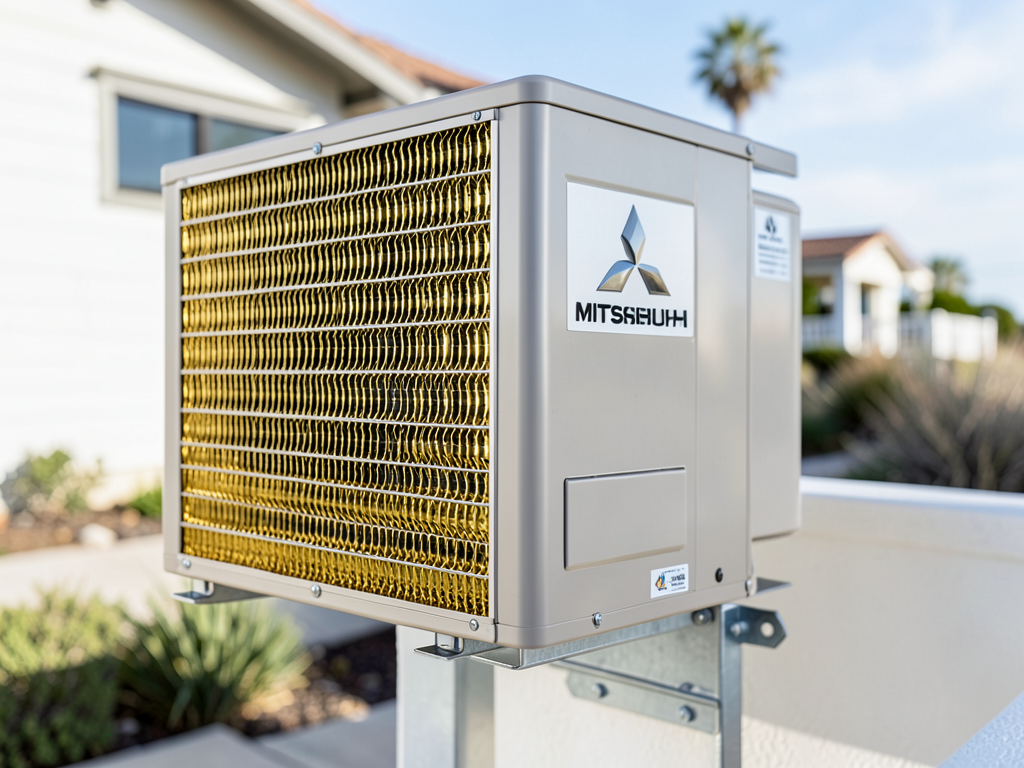
Mitsubishi vs Fujitsu — Which Ductless Brand Is Best for the Encinitas Climate? Encinitas homeowners face a unique challenge. The coastal marine layer brings steady humidity while mild winters mean heat pumps must work efficiently…

Do Smart Vents Actually Help Fix Cold Spots in Large Rancho Bernardo Houses? \n Smart…

Your thermostat controls your entire HVAC system but where you mount it can make the…
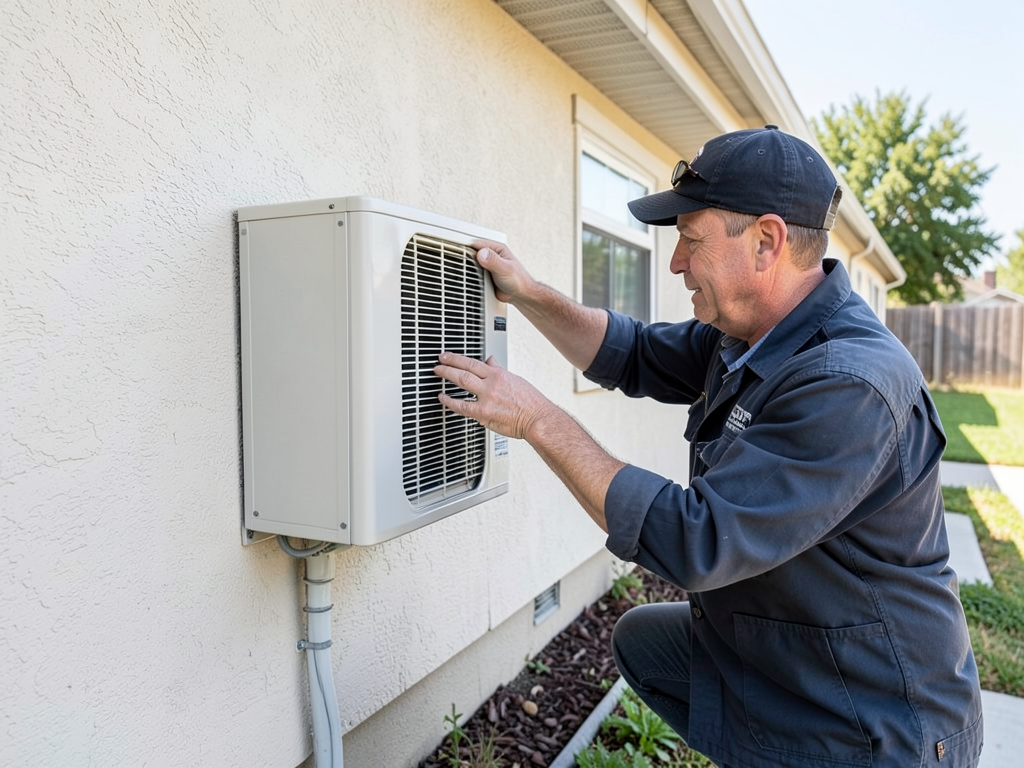
Choosing the Right HVAC Setup for a New Detached ADU in Chula Vista Building a…
Your air conditioner is not going to fix itself. Call Elite HVAC San Diego now at (619) 304-5777 for same-day emergency repair service. We dispatch within 60 minutes and fix most problems on the first visit. Stop suffering in the heat.